

Understanding The Basics: What Is A Lien?
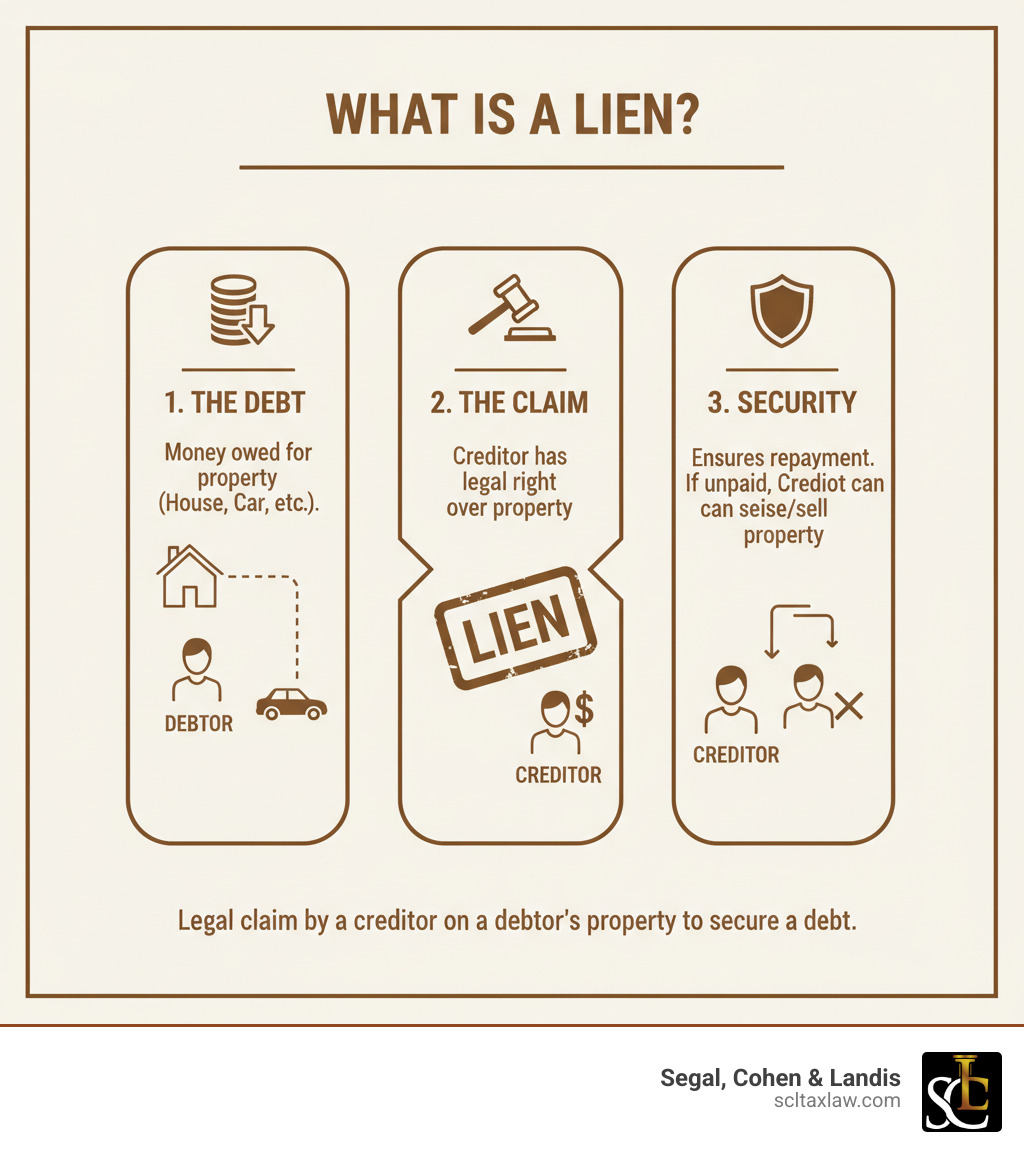
When you hear the term “what is a lien,” think of it as a legal safeguard. It’s a claim a creditor has over your property, acting as collateral to ensure you repay a debt. If that debt isn’t satisfied, the creditor can typically seize or sell the property involved.
Here’s the quick breakdown:
- What it is: A legal claim against property.
- Who places it: A creditor (the one owed money).
- Why: To secure an unpaid debt.
- Result if unpaid: The creditor may be able to take possession of the property.
For example, when you buy a house or a car, the lender uses a lien to ensure they get their money back. It’s a fundamental concept in property and commercial law, giving creditors a security interest in your assets until your financial obligations are met.
what is a lien: Review the relevant notices, filing history, records, and deadlines before choosing a response. Evaluate professional assistance according to the facts, applicable law, and agreed scope of representation.
What Is A Lien And How Does It Work?
In simple terms, what is a lien? It’s a legal claim a creditor holds against your property to ensure payment. This security interest gives the creditor the right to seize or sell the asset if you don’t pay.
A lien’s creation, notice, recording, priority, and enforcement requirements depend on its type and jurisdiction. A creditor cannot necessarily create a valid lien merely by recording paperwork after nonpayment. A recorded claim can affect title and a proposed sale or refinancing; enforcement requires the applicable legal procedures.
The Primary Purpose of a Lien
The main reason liens exist is to secure a debt. It gives creditors legal recourse if a debtor defaults. Without a lien, collecting a debt can be a messy and uncertain process of lawsuits and asset searches.
A lien transforms a general obligation into a specific claim tied to an asset, making it collateral. For instance, a mortgage lender places a lien on your home, which serves as security for the loan. This protects the lender’s financial interest by providing a clear path to recovery if you default. This is the foundation of secured lending, enabling people to buy homes and cars because lenders have collateral to fall back on.
How a Lien Works in Practice
Let’s make this concrete. Say you hire a contractor for a remodel but can’t pay the final invoice.

If a contractor is unpaid, a mechanic’s lien may be available under the law governing the property and work. A valid claim requires compliance with the applicable notice, recording, and enforcement requirements; nonpayment alone does not establish that a lien is valid. In California, mechanics liens are recorded with the county recorder’s office, subject to the governing statutes.
You’ll be notified after the lien is filed. It has a direct impact on your property title, and anyone running a title search will see the claim. You can’t easily sell or refinance your home until the lien is addressed. The contractor has a legal claim to your property as security. If you ignore it, they could force a sale of your home to recover the debt, though this is usually a last resort.
The lien creates pressure to resolve the debt. It’s a legal mechanism that affects your ability to use, sell, or leverage your property. That’s the power of understanding what is a lien and how it functions.
The Main Categories Of Liens
Not all liens are created equal. When you’re trying to understand what is a lien, it helps to know they come in different types. The main distinctions are how they’re created and what property they can attach to.
Let’s start with a simple comparison:
| Lien Type | How Created | Examples | Impact |
|---|---|---|---|
| Voluntary Lien | Agreed upon by contract | Mortgages, Car Loans | Debtor consents to the lien as collateral for a loan. |
| Involuntary Lien | Imposed by law or court order | Tax Liens, Judgment Liens, Mechanic’s Liens | Debtor does not consent; arises from unpaid obligations. |
Beyond this primary split, liens are also classified as specific or general. These categories determine what’s at stake and how much power a creditor has over your assets.
Voluntary vs. Involuntary Liens: What is the difference?
The key distinction is whether you agreed to the lien. A voluntary lien is one you agree to, created through a contract with a lender. It’s a consensual arrangement where you offer property as security for a debt. The most common example is a mortgage loan. When you buy a house, you grant the lender a lien on the property, which remains until the loan is paid off. Similarly, a car loan involves a lien on the vehicle’s title.
An involuntary lien is imposed without your consent, usually due to unpaid obligations. It arises by law as a consequence of unpaid debts or legal judgments. Tax liens are a prime example; the government can place one on your property for unpaid taxes. Judgment liens can be ordered by a court after a lawsuit, and mechanic’s liens can be filed by unpaid contractors. The key difference is consent: you agree to voluntary liens, while involuntary liens are imposed on you.
Specific vs. General Liens
Another distinction is the scope of property a lien can affect. A specific lien attaches to a single asset. For example, a mortgage only attaches to the house you bought with the loan. If you default, the lender can only pursue that property. A mechanic’s lien is also specific, tied to the property where work was done.
A general lien is much broader, attaching to all of your non-exempt property, including real estate, personal assets, and bank accounts. The most powerful example is a Federal tax lien. It attaches to all property you currently own and acquire in the future. Judgment liens can also be general liens, where a recorded judgment can attach to all real property a debtor owns in that county.
Understanding if a lien is specific or general is crucial. A specific lien is a targeted problem, while a general lien can affect your entire financial picture.
Common Examples Of Liens You Might Encounter
Liens are more common than you might think, touching many aspects of financial life. Understanding what is a lien and its common types is helpful whether you’re taking out a loan or have had one placed on your property.
Tax Liens
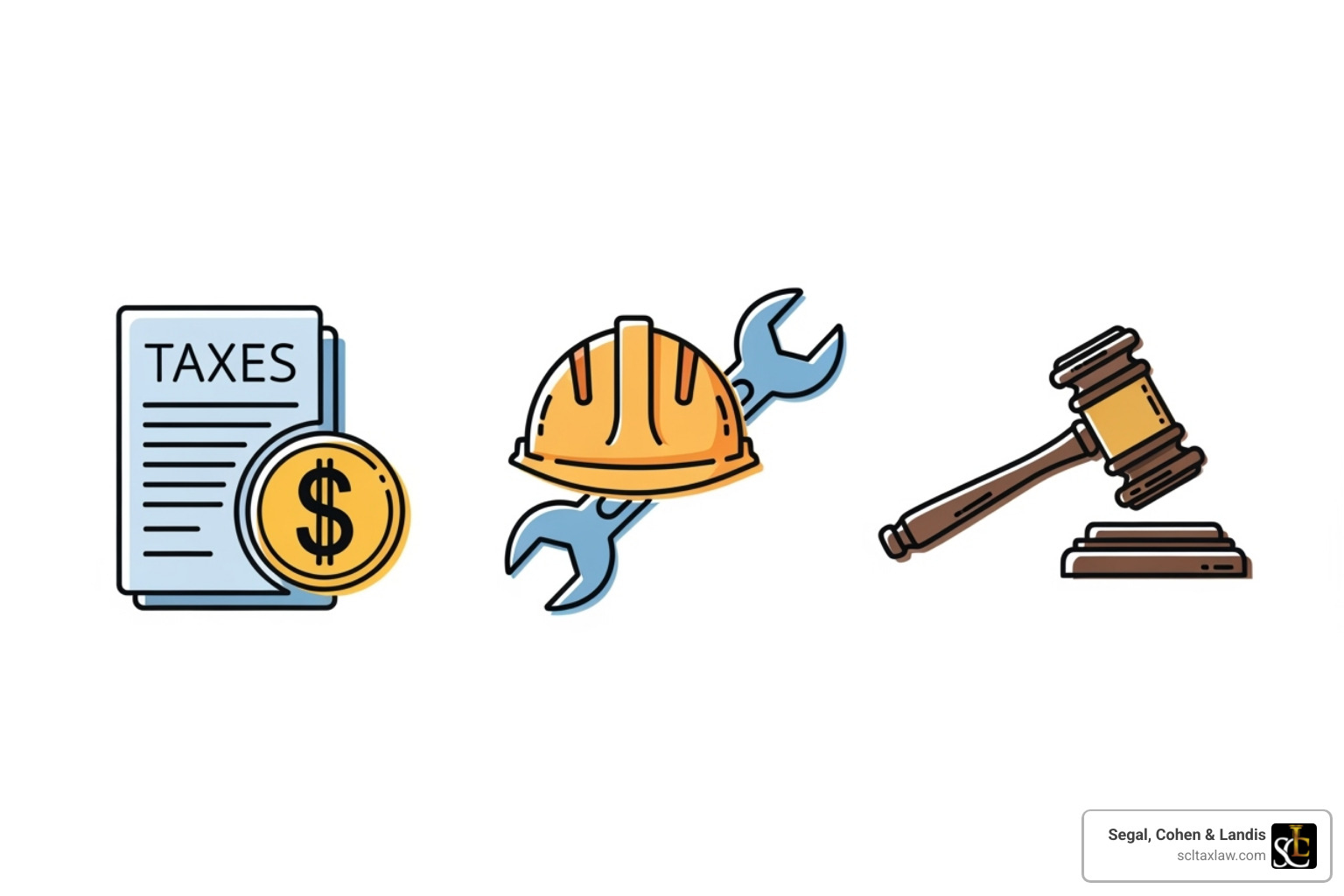
Tax liens are often the most stressful. If you don’t pay federal, state, or local taxes, the government can place a lien on your property. A federal tax lien is especially powerful. It’s a general lien that arises automatically after the IRS assesses a tax and demands payment, attaching to all your current and future property.
The IRS files a public Notice of Federal Tax Lien, which alerts other creditors and may complicate a sale or financing. A qualifying discharge or subordination may permit a transaction without full payment of the entire debt. For more details, see the IRS’s official guide on Understanding a Federal Tax Lien or our article, Unraveling the Mystery of IRS Tax Liens .
Mechanic’s Liens
If you hire a contractor for a renovation and fail to pay the final bill, they have a legal remedy: the mechanic’s lien. This applies to contractors, subcontractors, and material suppliers who aren’t paid.
A mechanic’s lien is a specific lien on the property where work was done. It protects those who improve your property by ensuring they are paid. Once filed, it creates a cloud on your title, which you must resolve before selling or refinancing. These liens are filed with the county recorder’s office, becoming public record.
Judgment Liens: What is a lien resulting from a lawsuit?
A judgment lien is an involuntary lien that arises when you lose a lawsuit and don’t pay the court-ordered amount. The creditor can convert the court judgment into a lien on your property. By recording the judgment with the county recorder, the creditor “perfects” it, creating a legal claim against your real property in that county. This secures the debt, ensuring the creditor gets paid when you eventually sell the property.
These liens can be frustrating as they may appear unexpectedly on your property records. For more legal details, see Cornell Law School’s resource with More on Judgment Liens. Understanding these common liens is the first step to protecting your assets, as each type has its own rules and remedies.
The Consequences And Impact Of A Lien
A lien on your property is a serious problem that complicates your financial life. It’s a legal claim signaling a creditor is serious about collecting a debt.

The impact is significant: a lien can prevent you from selling or refinancing your home and cause ongoing stress. Understanding what is a lien and its consequences shows why it’s urgent to address it.
Can I Sell or Refinance My Property?
A lien is a major roadblock if you want to sell or refinance your property. You can’t transfer a clean title because the lien creates a “cloud” on it—an unresolved issue that must be handled before the property changes hands.
A lien must be addressed in planning a sale. Payment from closing proceeds, a negotiated arrangement or a qualifying federal lien discharge may permit the transaction, depending on the lien and applicable requirements. A discharge of one property does not necessarily cancel the entire debt. Our article on Selling Property Subject to a Federal Tax Lien details these options.
Refinancing can be difficult when a lien affects title or creditor priority. A qualifying federal lien subordination may permit refinancing without full payment of the tax debt. Discuss the proposed transaction and applicable requirements with the lender and an adviser.
What is the Impact of a Lien on a Credit Report?
Surprisingly, most liens no longer appear on your credit report. Major credit bureaus stopped including civil judgments and tax liens on reports years ago. Only bankruptcies typically show up from public records.
However, this doesn’t mean you’re in the clear. The underlying financial trouble, like missed payments, is reported and hurts your credit. Payment history makes up 35% of your FICO Score.
The lien is also a public record, findable in any title search by buyers or lenders. So, while your credit score isn’t directly affected, the lien may complicate selling or refinancing; discharge or subordination may permit a qualifying transaction. Lenders search public records for liens and other red flags. A lien signals risk, making it harder to get new credit, regardless of your credit score.
In short, while a lien may not directly lower your credit score, it creates serious financial complications and damages your financial reputation.
How To Resolve And Remove A Lien
A lien on your property isn’t permanent. It’s a legal claim to secure a debt, and once the debt is addressed, the lien can be removed. To do this, you need a lien release document from the lienholder confirming the debt is satisfied. You must file this document with the county recorder’s office to officially clear your property’s title.
Getting the lienholder to release their claim depends on your finances and the lien’s validity.
Methods for Lien Removal
There are several ways to remove a lien, depending on your circumstances:
- Pay the debt in full. This is the most direct method. Once paid, the lienholder is legally required to release the lien. Ensure you receive the signed lien release and file it with the county recorder.
- Negotiate a settlement. If you can’t pay in full, many creditors will accept a reduced amount. Get any settlement agreement in writing before paying. Once paid, the creditor should provide a lien release.
- Dispute the lien in court. If you believe the lien is invalid (e.g., the debt was paid or the work was shoddy), you can challenge it. This usually requires legal help and evidence. A judge can order the removal of an invalid lien.
- Wait for the statute of limitations to expire. Liens have an expiration date. If enough time passes, you may be able to have the lien removed, often with a court order. Time limits vary by state and lien type.
- File for bankruptcy. Discharge of personal liability and removal of a lien are separate questions. A lien may survive bankruptcy; any avoidance or other relief requires the applicable statutory grounds and procedure. Obtain advice about the specific debt and lien. For more information, see the U.S. Courts’ guide on Discharge in Bankruptcy.
Review the relevant notices, filing history, records, and deadlines before choosing a response. Evaluate professional assistance according to the facts, applicable law, and agreed scope of representation.
Frequently Asked Questions About Liens
Clients often ask us about what is a lien and how it affects them. Here are answers to the most common questions.
How does a lien differ from a mortgage?
A mortgage is a type of lien. Specifically, it’s a voluntary, specific lien you agree to when you get a loan to buy real estate. You willingly grant the lender a legal claim on your house as security.
However, a lien is a broader term for any legal claim on property to secure a debt. While all mortgages are liens, not all liens are mortgages. Other types, like tax, mechanic’s, or judgment liens, are often involuntary and unrelated to buying a house. A mortgage is just one type of lien, and understanding this distinction is key to knowing what is a lien.
What is the priority of liens, and how does it affect repayment?
When a property with multiple liens is sold, lien priority determines who gets paid first. The general rule is “first in time, first in right”: the first lien recorded (the senior lien) is paid first. Later liens (junior liens) are paid after.
Federal tax lien priority depends on filing dates, protected interests and statutory exceptions. An earlier protected mortgage may have priority over a later federal notice of lien. Related guidance: Tax liens.
Can a lien be placed on my property without my knowledge?
Yes, involuntary liens can be placed on your property without your consent or immediate knowledge. The initial filing can happen before you are notified. For example, a creditor can record a judgment lien after winning a lawsuit, the IRS can file a tax lien for unpaid taxes, and a contractor can file a mechanic’s lien for unpaid work.
These liens are public record, but you might not be notified immediately. You could find one only when a title search for a sale or refinance reveals it. This is why it’s important to stay on top of your financial obligations and check public records.
Conclusion
So, what is a lien? It’s a creditor’s legal claim against your property to ensure a debt is paid. As a property owner, it’s a serious matter that demands your attention.
We’ve covered how liens work, from voluntary mortgages to involuntary tax and judgment liens. We’ve also discussed their consequences, including difficulty selling or refinancing and the potential for a forced sale. The key takeaway is that resolving liens promptly is essential. Ignoring a lien only makes it more complicated and costly over time. Taking action—whether paying, negotiating, or disputing—is always the best approach.
Tax liens, in particular, deserve special attention. They are powerful, complex, and often have “super-priority” status, putting the government first in line for repayment. A federal tax lien can attach to nearly everything you own. These situations can feel overwhelming, but you don’t have to face them alone.
Review the relevant notices, filing history, records, and deadlines before choosing a response. Evaluate professional assistance according to the facts, applicable law, and agreed scope of representation. Related resources: tax lien.
Don’t let a lien control your financial future. Understanding what is a lien is the first step; taking action is the next. Reach out to experienced professionals for the best possible outcome. Your property and peace of mind are worth it.
Have questions about this topic? Talk to an IRS attorney today.
Segal, Cohen & Landis, P.C. — Beverly Hills. Serving clients nationwide.

Samuel Landis, Esq.
LL.M. (Tax) · Selected to Super Lawyers®
Sam Landis is a Beverly Hills IRS tax attorney specializing in IRS collection defense, audit representation, and international tax compliance for foreign nationals and US expats.